

Aliyah Bet
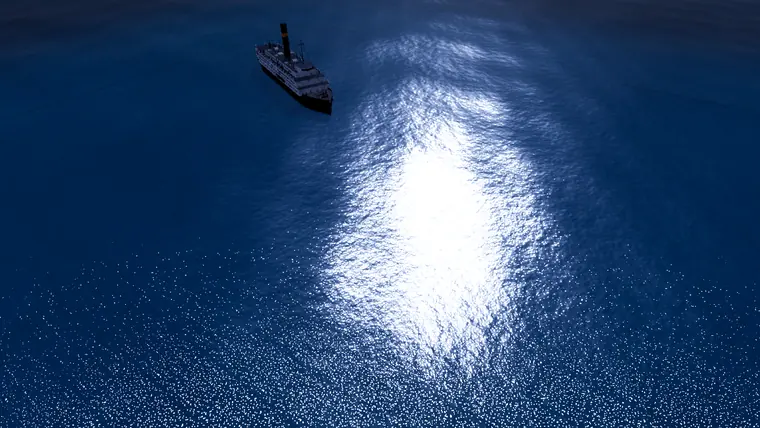
An old steamer with forty survivors of the camps in Europe tries to slip through the British blockade. No one fires a shot: stay out of sight of the patrols, run the ship onto the beach, and get everyone into the kibbutz before daybreak.
From the beaches of Normandy to the gate of Kabul airport. Every campaign follows real events, with real units and places, and is told by someone who was there. The characters are fictional, based on those who were there.
June 1944. From the first gliders in the night to the break-out at Caen: seven battles fought by British soldiers in Normandy. The units and places are real; the people you meet are fictional, based on those who were there.
War correspondent Edward Crane introduces every scenario with a report, and afterwards he tells you how it really went, even if it turned out differently in your match.
Black bars, and the camera swoops low to whoever is speaking: a major by his glider, a piper on the beach, a tank commander in the hedgerows. Space moves on, Esc skips.
You play the Allies. The German side is never playable, and German units have no name and no face: a notorious tank commander is simply "the Tiger".
Every scenario you win unlocks the next. Whoever survives at Pegasus Bridge is still there when the commandos reach the bridge in the fourth scenario.
Six Horsa gliders land in the dark beside two bridges east of the beaches. Take them intact before the Germans can blow them, then hold until the commandos fight their way through from the sea.
With Major Tom Hartley (D Company, Ox and Bucks) and Lt. David Ashby, who leads the first platoon across the bridge.
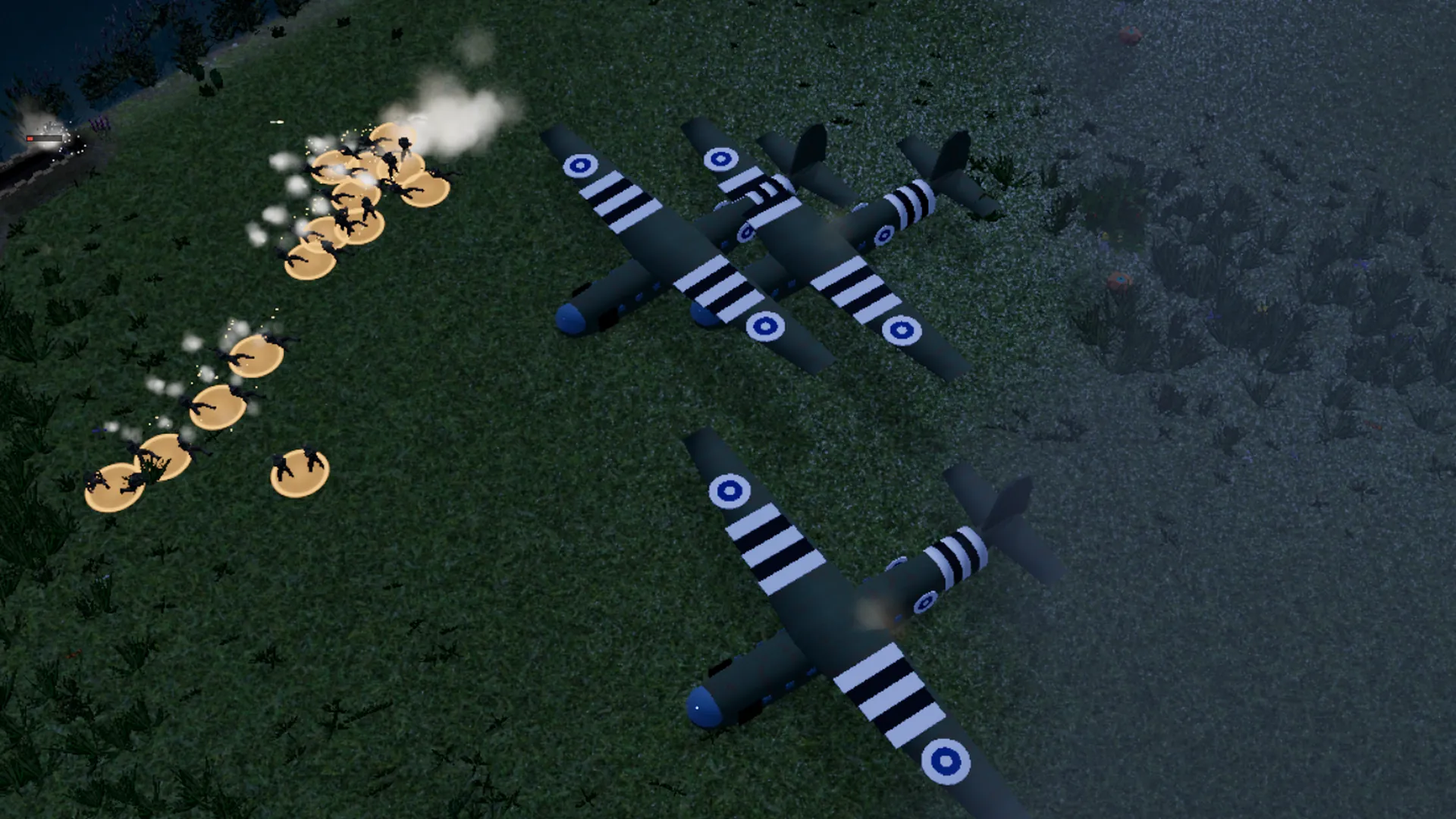
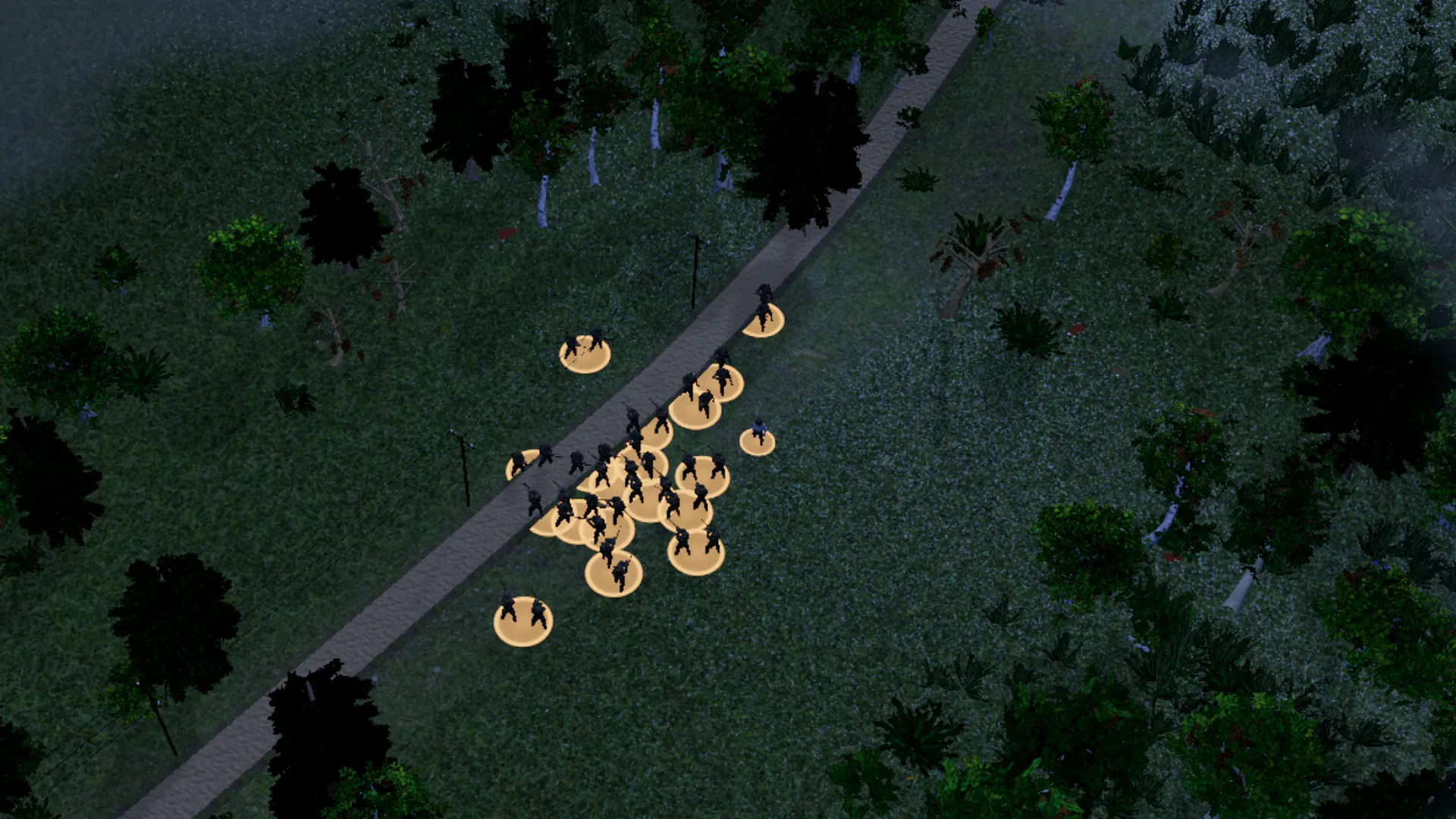
The drop is scattered: of six hundred paratroopers, only a fraction find each other in the dark. Silence the four casemates before 05:30, because at that hour the Royal Navy will shell the battery, whoever is still there.
With Lt-Col. Richard Ormsby, commander of the 9th Parachute Battalion.
The first waves of the 50th Northumbrian Division go ashore under fire. Hobart's flail tanks clear the mines; open the beach exits, take Le Hamel and push inland towards Bayeux.
With Sgt. Frank Doyle in his Crab and CSM Arthur Pell of the Green Howards.
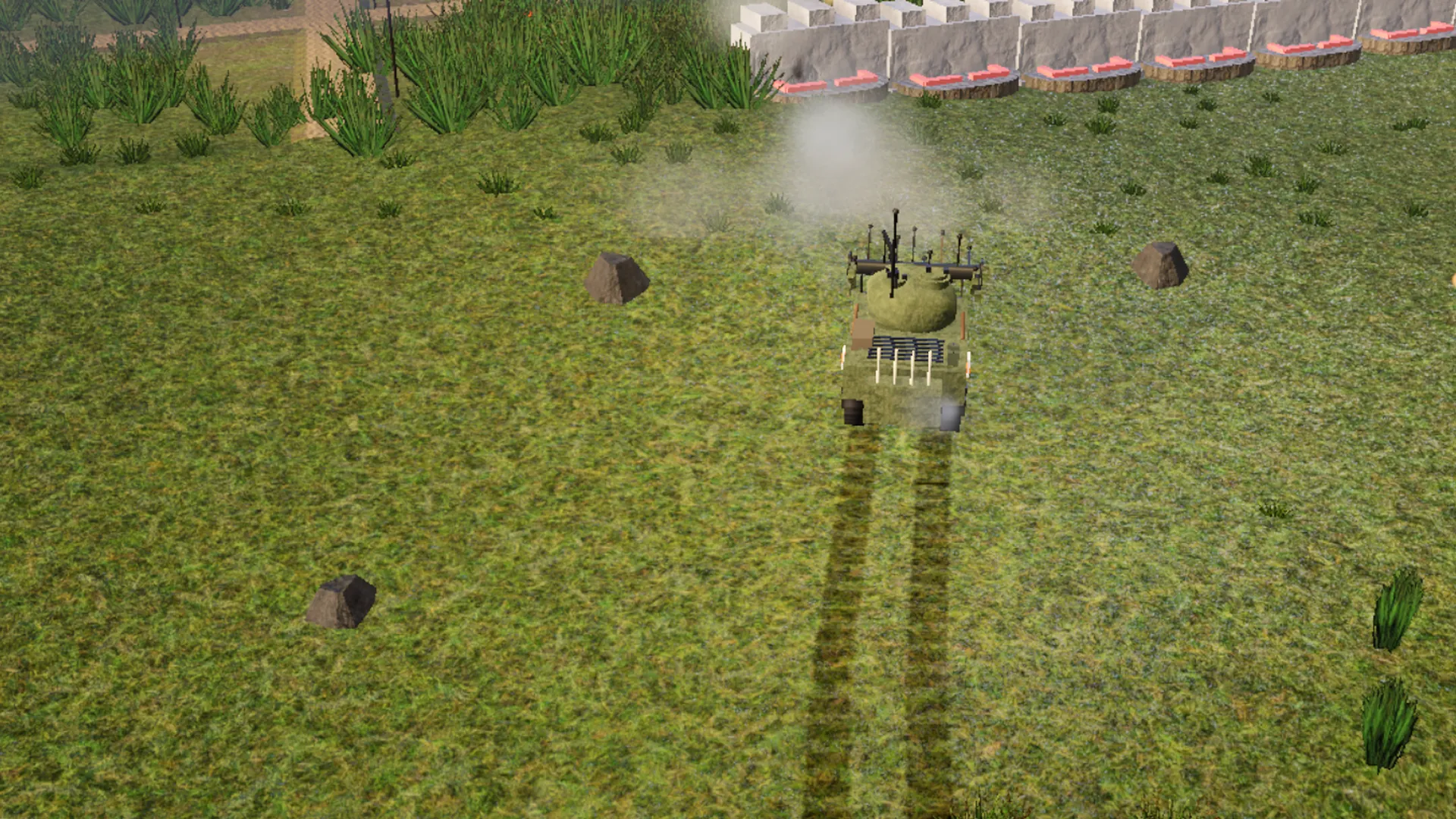
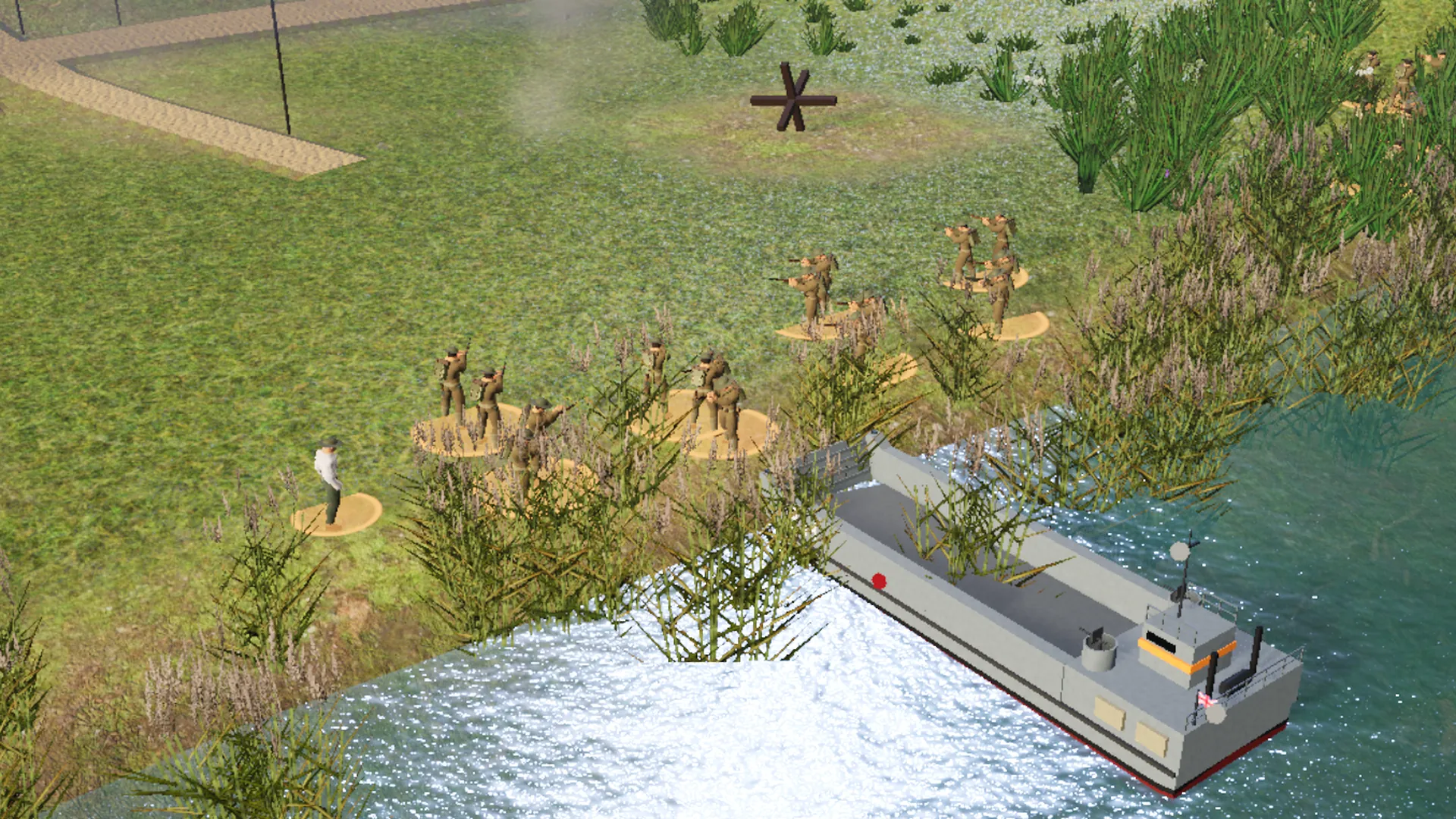
Brigadier Kinross lands with his commandos and his piper and marches for the bridges, where the men of Pegasus Bridge are still holding on. In the evening the German armour drives for the sea.
With Brigadier Lord Kinross (1st Special Service Brigade), Piper Hamish Reid and Major Hartley.
An artificial harbour, towed across the Channel in pieces. Build it up, keep the supplies flowing under air raids, and get through the great storm.
With Second Officer Margaret Lowe of the Women's Royal Naval Service, who helped plan the harbour.
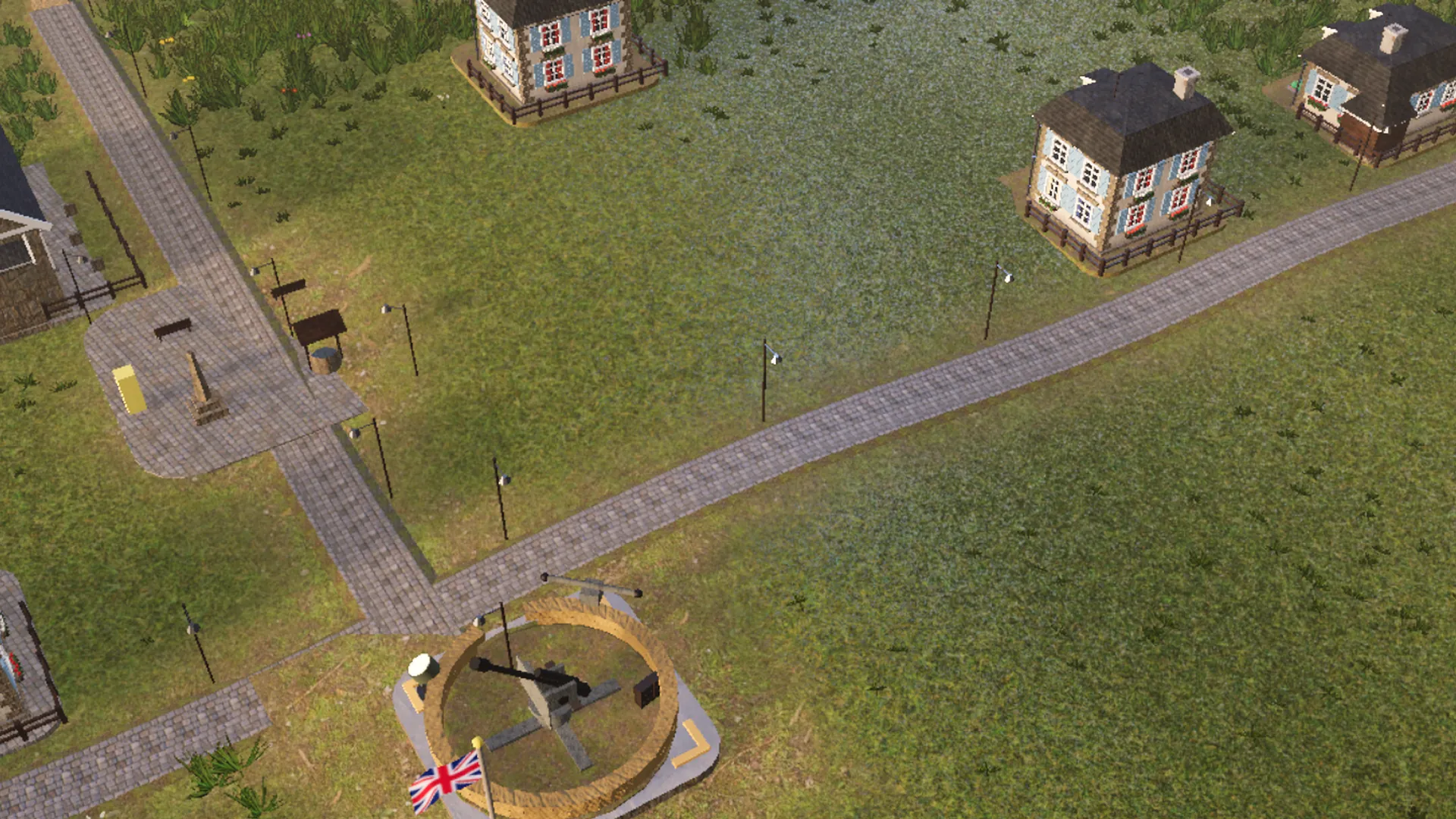
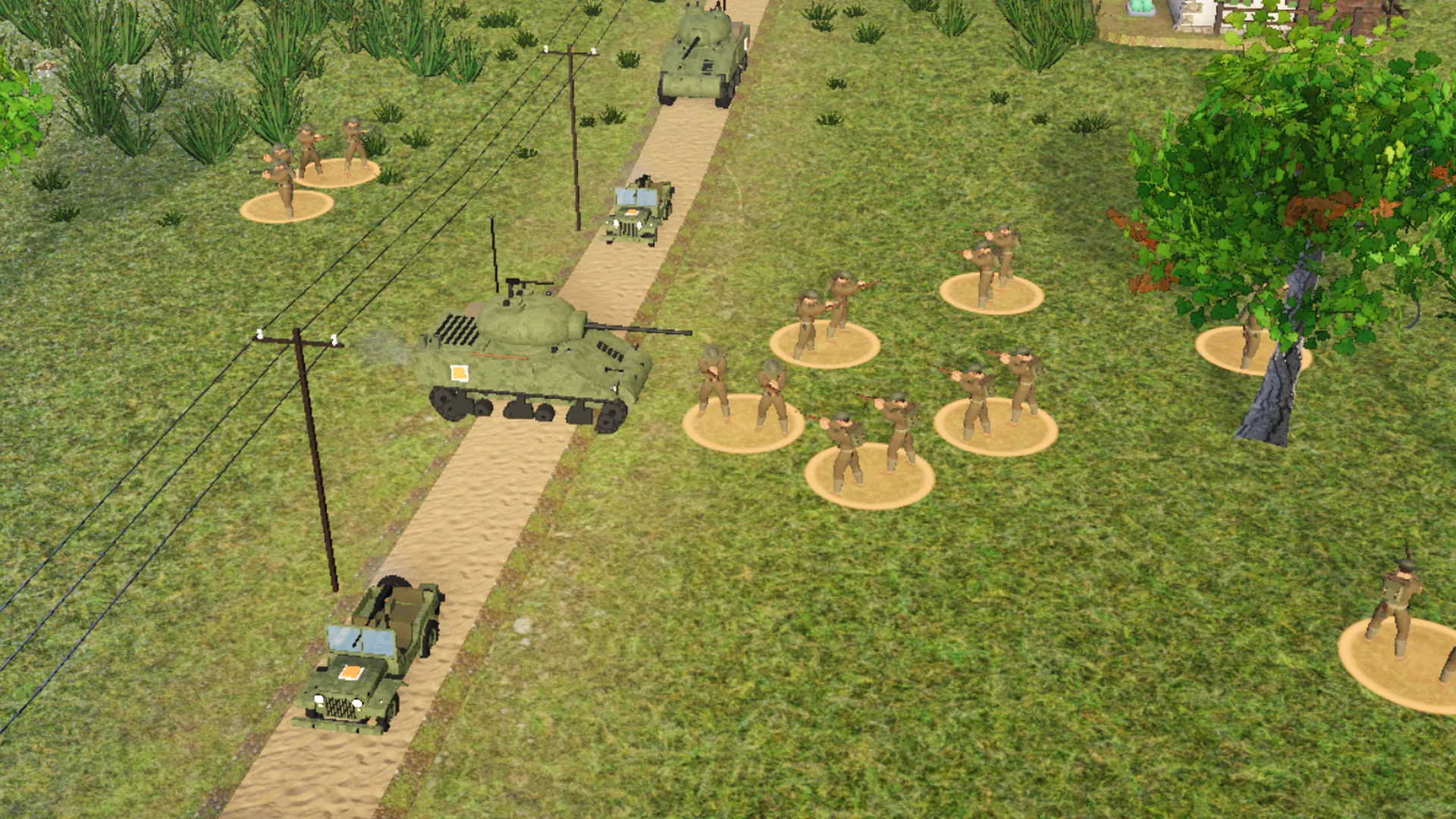
The Desert Rats try to outflank Caen. In the hedgerows a single Tiger tears the column apart. Survive the ambush, hold the town until evening and withdraw in good order.
With Capt. James Whitlock of the 7th Armoured Division.
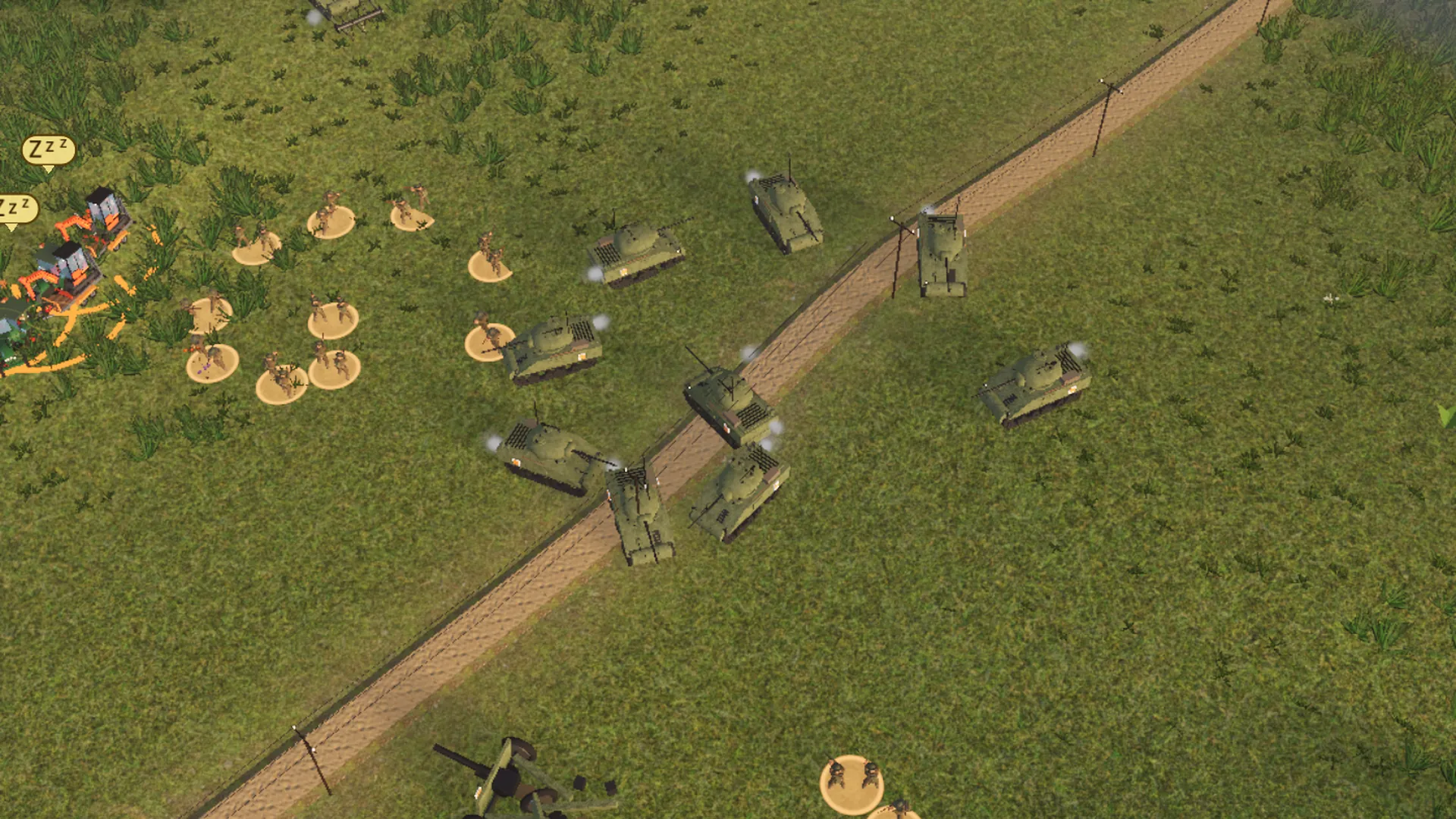
The largest British tank battle of the war. After the heaviest bombardment yet, three armoured divisions drive across open fields towards the ridge at Bourguébus.
With Capt. Whitlock and Sgt. Doyle. In reality the ridge was not taken; the epilogue tells how it went.
Horsa gliders coming down in the dark, Dakotas dropping paratroopers who land scattered across the whole map, and Lancasters and Spitfires flying overhead.
The Tiger I as the heavy German tank with a slow turret, and the Panzer IV, which is now also the German medium tank in regular matches.
The flail tank of Hobart's Funnies: a spinning drum with chains smashes the mines in front of it, and it takes only a fraction of the mine damage itself.
Teller mines in fields in front of the beach exits and around the battery, and steel Czech hedgehogs on the beach.
Salvos from the fleet and bomb carpets that you can see strike even through the fog. At Goodwood the bombing carries on while you watch.
Normandy with the Caen Canal, the Orne, French-style villages, hedges, farmland and the bocage, every scenario on its own map.
The characters in the campaign are fictional, based on real people; the units, places and dates are historical. Where the game departs from history, the epilogue tells how it really went. The game shows no Nazi symbols.
From the survivors who came ashore at night in 1947 to the streets of Jenin in 2002: one family over three generations, and the battles of a young country. The units, places and operations are real; the people you meet are fictional, based on those who were there.
— Miriam Adler, looking back
An old steamer with forty survivors of the camps in Europe tries to slip through the British blockade. No one fires a shot: stay out of sight of the patrols, run the ship onto the beach, and get everyone into the kibbutz before daybreak.
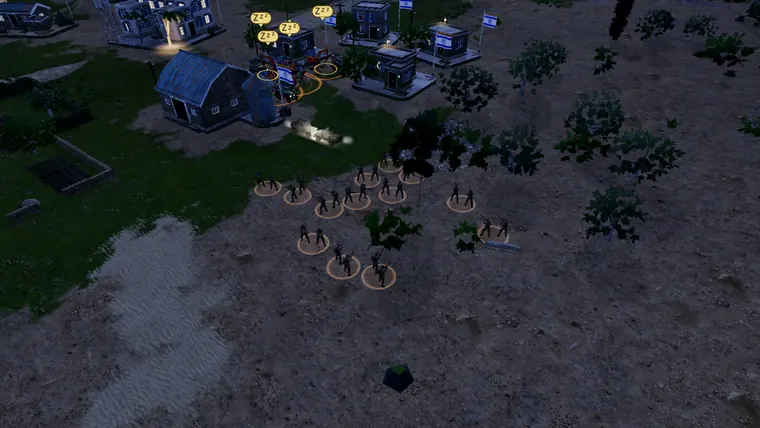
Jerusalem is cut off and running out of food and water. Build a track through the hills at night, past the road that is blocked, and bring the convoys through.
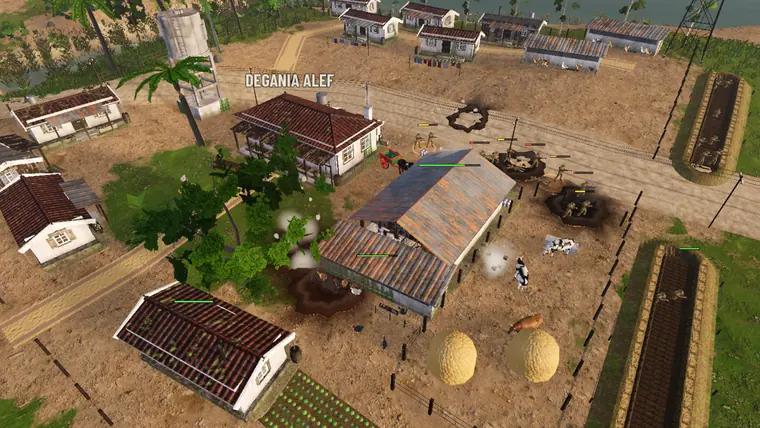
Five days after independence, Syrian tanks roll towards the oldest kibbutz in the country. The defenders have rifles, Molotov cocktails, one PIAT — and in the valley, two old field guns on their way.
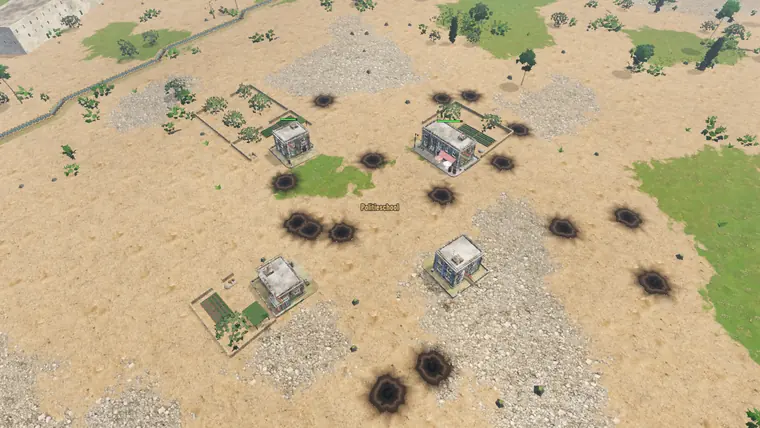
Paratroopers fight through trenches and bunkers in the dark, then into the Old City. No artillery and no air support near the holy places: you take it with infantry, or not at all.
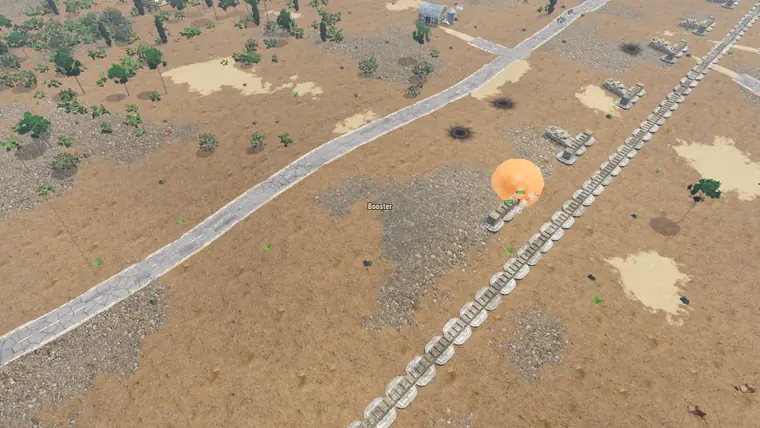
On Yom Kippur the attack comes without warning. A handful of Centurions on the ridge against wave after wave of tanks: fire, pull back behind the crest, reload, and hold until the reserves arrive. Avi Adler commands one of them.
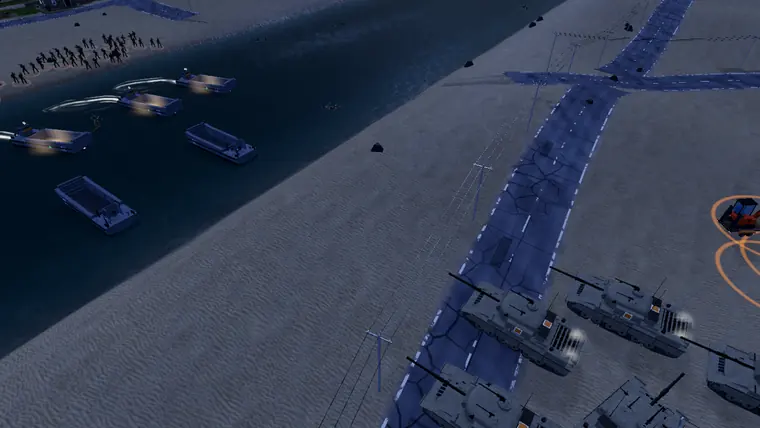
Rafts, pontoons and a bridge that has to be towed to the water: open a crossing at night, hold the bridgehead on the far bank, and keep the corridor at the Chinese Farm open behind you.
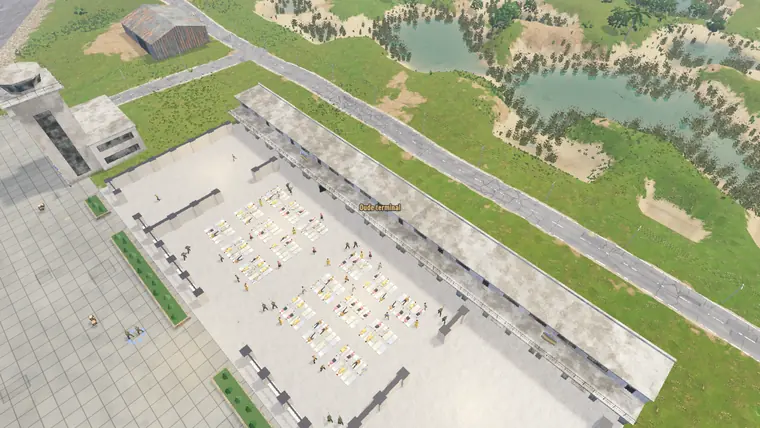
More than a hundred hostages in the old terminal, four thousand kilometres from home. Land in the dark, reach the building before the alarm, and bring everyone to the aircraft. Every hostage counts.
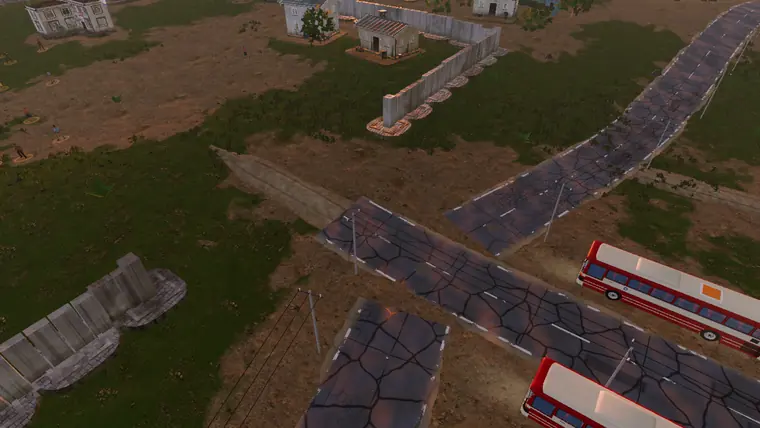
Rebels close in on the capital and the window is a day and a half. Buses from the embassy to the airport, aircraft that land, load and leave without a break: bring fourteen thousand Ethiopian Jews home. No enemy — only the clock.
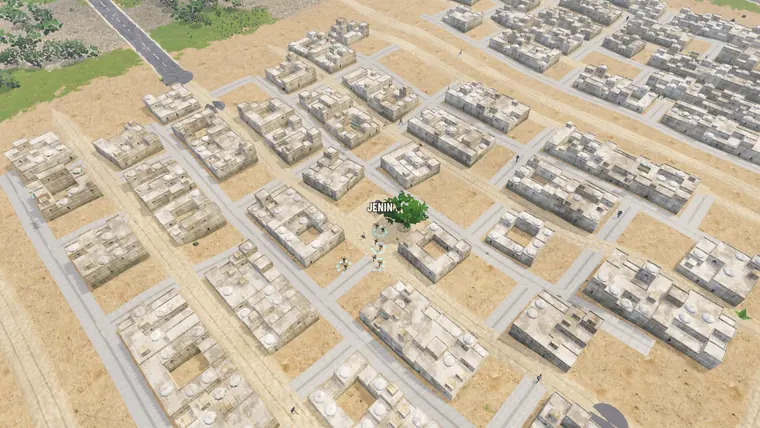
Narrow streets full of families, and fighters among them. Infantry only: no air strikes and no artillery. Every civilian who dies weighs more than a loss of your own. Noa Adler is one of the soldiers.
A country that fell in five days in May 1940, but did not give way on the Afsluitdijk; that hid its neighbours, held back the sea in 1953, and tried to keep its word in Uruzgan and Kabul. One family from Rhenen, at the foot of the Grebbeberg, across three generations. The units, places and operations are historical; the characters are fictional.
— Jannie Bakker, looking back
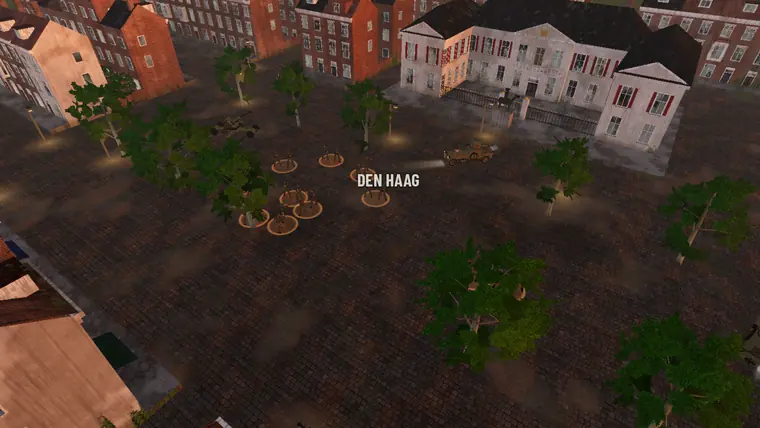
At first light, Junkers come in over the dunes. German airborne troops land at Ypenburg, Ockenburg and Valkenburg: they want the government and the Queen in a single morning. Three airfields, one road to Hoek van Holland, and not enough men to be everywhere at once.
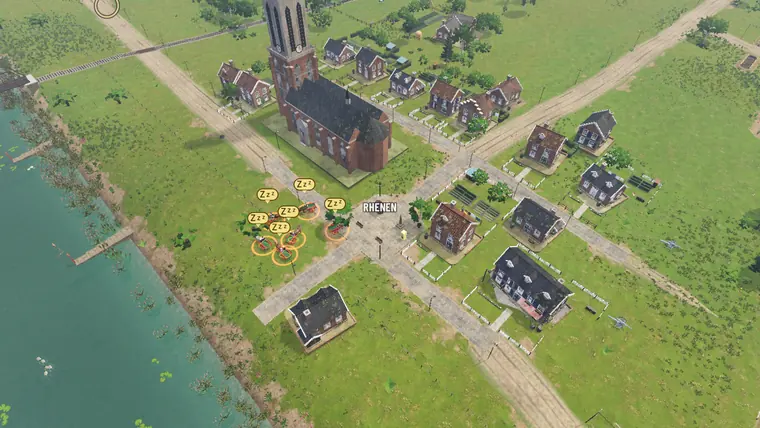
Whitsun 1940. On the only hill of the Grebbe Line, conscripts hold out for three days. You cannot win this battle — but you can win time, and bring your men home.
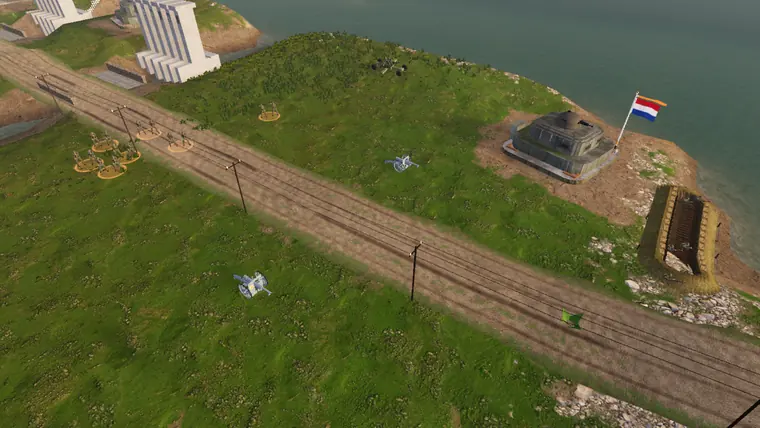
A dike thirty-two kilometres long, and at the Frisian end a handful of concrete casemates. Whoever wants to get through must cross the bare dike, without a single bush for cover.
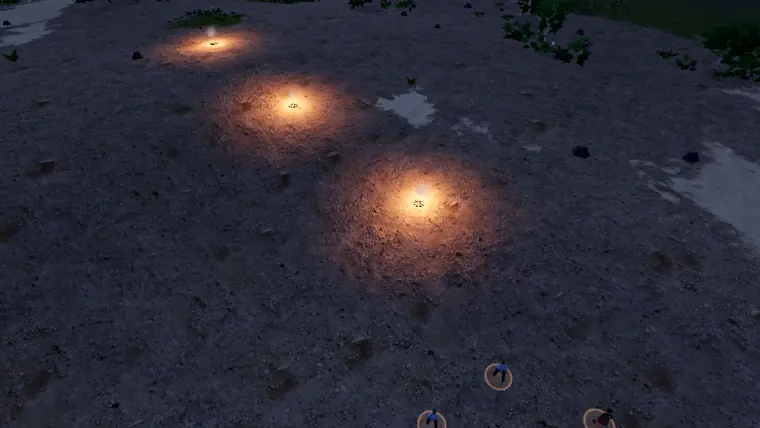
An English bomber drops weapons on the heath at night, and at daybreak there will be a raid on the farm where eight people are in hiding. No one carries a weapon: bring in the containers, take the people in hiding along the hedgerows to safe addresses, and don't be seen.
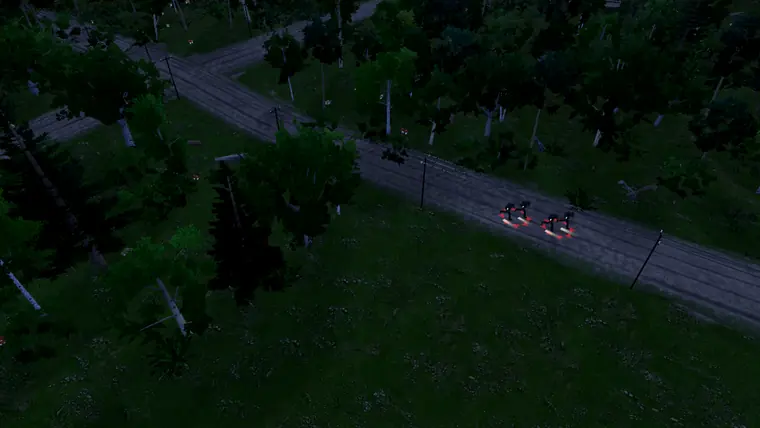
After Arnhem, more than a hundred British paratroopers are hiding north of the Rhine. In a single night the resistance brings them past the patrols to the river, where boats come over from the other side. Every shot makes it harder.
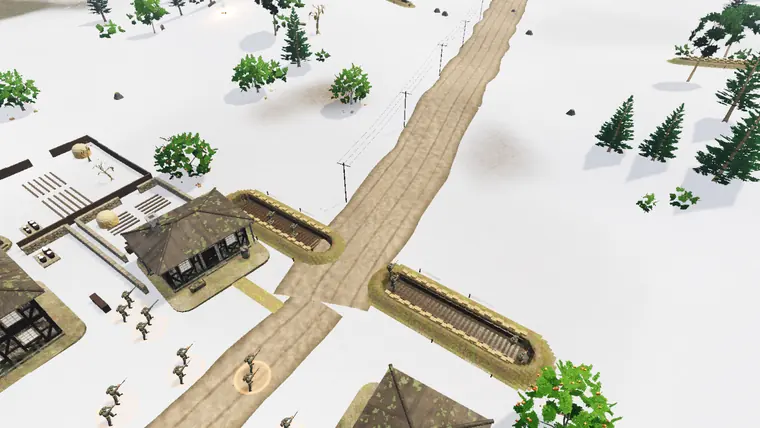
February 1951, deep frost. American columns are falling back through a narrow valley. The Van Heutsz Battalion has to keep the crossroads at Hoengsong open until they are through — and in the dark, not everyone in an American coat is a friend.
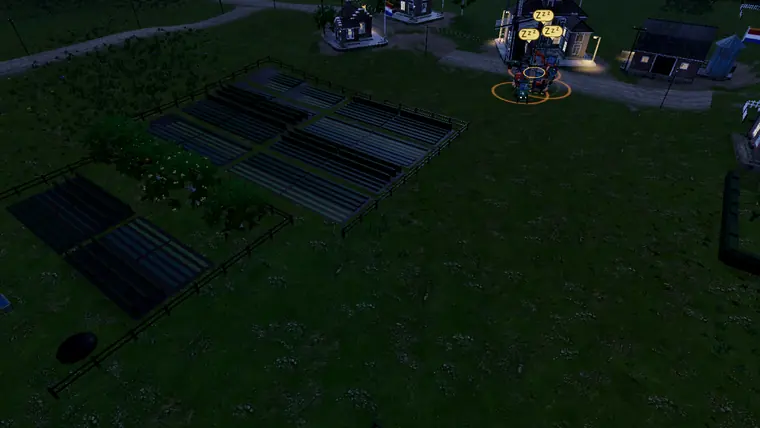
A north-westerly gale and a spring tide: in one night the sea breaks through the dikes. There is no enemy, only the water. Strengthen the dikes, take people off the roofs, and at Nieuwerkerk send a ship into the breach.
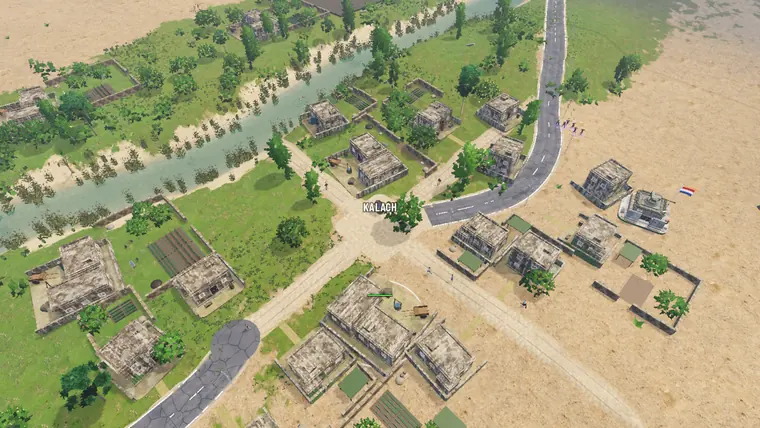
Uruzgan, 2007. First tea and trust in the green zone along the river, then a large Taliban offensive on Chora. Howitzers and Apaches are strong, but families live in the compounds. Captain Thijs Bakker, Jannie's grandson, leads the platoon.
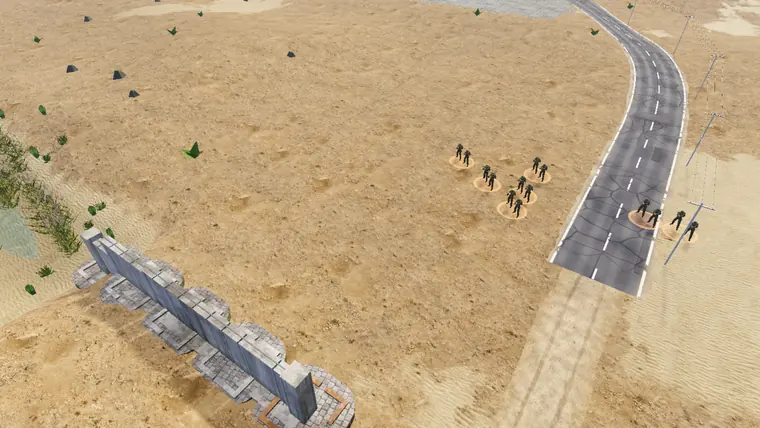
The city has fallen. Thousands of people stand outside the airport gate, and somewhere among them are the interpreters who worked for the Netherlands, with their families. No fighting: hold the gate, recognise who is on the list and bring them in before the last flight leaves.
Win a scenario and the next one unlocks. Your progress is kept, even though you can't save during the campaign. Jerusalem is played in two parts, each on its own map: first Ammunition Hill, then the Old City.
Every campaign has its own medals, with an award ceremony at the end.
A persistent ring with an arrow shows on the battlefield and the minimap where you need to go, along with your progress. During dialogue the camera shows the place being talked about.
Villages, rivers, bridges and hills are labelled with their names on the battlefield; villages and rivers on the minimap too. The names fade as you zoom in.
Some scenarios are about rescuing rather than fighting: steering an immigrant ship past the blockade, protecting people in hiding, pulling people out of the water or getting interpreters through the gate of an airport.
In the free demo you play the first scenario of every campaign.